You asked for “beaucoup” and the shopkeeper paused, trying to figure out why you wanted a “beau cul” (a rude word you really don’t want to say by accident). That is the u and ou problem in one sentence. French has two vowel sounds that English squashes into one, and mixing them up can turn “street” into “wheel” and “on top of” into “underneath”.
The two sounds, explained
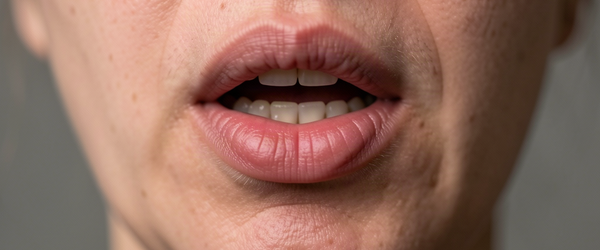
The “ou” sound is the easy one. It is the same “oo” you already make in the English words “food”, “moon”, and “too”. Round your lips, push them slightly forward, and you have it. The “u” sound is the tricky one because English simply doesn’t have it. Your tongue sits in the “ee” position, high and forward like when you say “see”, but your lips are rounded into a tight little circle like when you say “oo”. Do both at once and you get “u”.
If that sounds physically awkward, that’s normal. Your mouth has never had to make the move before. The good news is it’s a skill, not a talent, and a few days of practice will lock it in.
How to find the sound in one minute
Say “eeee” and hold it. Freeze your tongue exactly where it is. Now, without moving your tongue, round your lips into a tight circle. The sound that comes out is “u”. It will feel wrong the first few times because the vowel changes while your tongue stays put, and that’s exactly the point.
From there, add consonants. Say “tu” (you), “du” (some), “vu” (seen), “rue” (street). Then alternate with the ou words so your ear catches the gap: “tu” then “tout”, “du” then “doux”, “rue” then “roue”.
Pairs worth practicing out loud
- dessus (on top) / dessous (underneath)
- tu (you) / tout (everything)
- rue (street) / roue (wheel)
- vu (seen) / vous (you, formal or plural)
- bu (drunk) / bout (end, tip)
- sur (on) / sous (under)
The dessus and dessous pair matters most in daily life. One means “on top”, the other means “underneath”. If you ask for a towel on the top shelf and say “dessous”, you’ll get pointed to the bottom drawer. In a hotel or a shop, that’s the difference between being understood and being politely confused.
Why it trips up readers too
Reading doesn’t save you from this one, and in fact it can make it worse. English eyes see “tu” and “tout” and quietly file them both away as “that word with a t”. When you read French news, slow down on any word ending in u or ou and say it to yourself. A headline like “le tout nouveau plan” needs that “tout” to rhyme with “soup”, not with “suit”.
Once you can hear and say the difference, it pays you back everywhere, from ordering food to following the news. Reading headlines at your level and pronouncing each u and ou out loud is one of the fastest ways to lock it in, because you stop treating those two sounds as the same word and start seeing them as the small change that flips a whole meaning.